
Industry 4.0 Is a Checklist, Not a Buzzword
Skip the conference hologram. Here is what leading manufacturers on D365 are deploying now and what lands in the next 18 months.
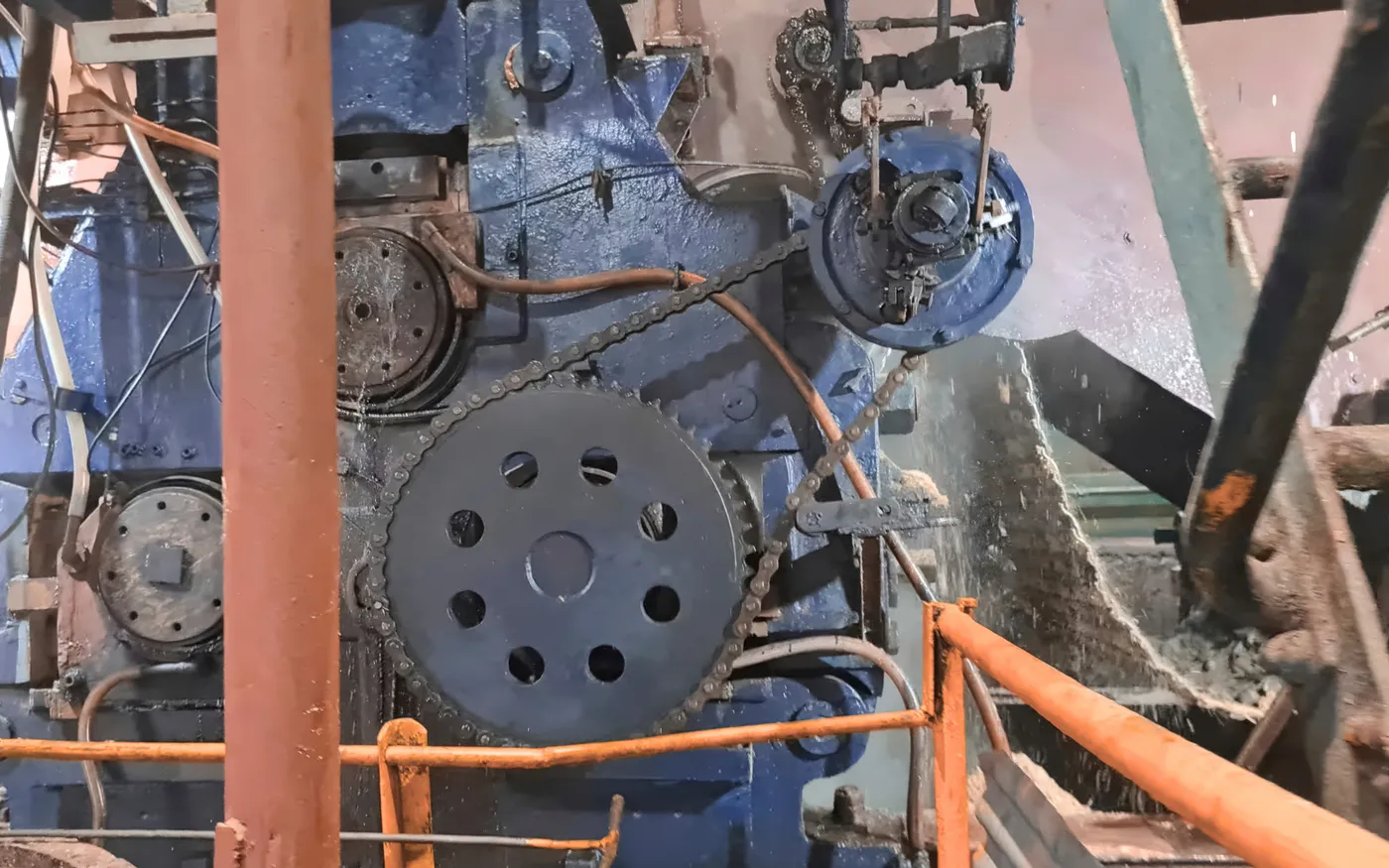
Every manufacturing conference has the same slide. A glowing factory. Robots. A floating hologram of a gear. The words "Industry 4.0" in a big blue font.
Then everyone goes back to their plant and prints the production schedule on paper.
Industry 4.0 is not a buzzword. It is a checklist. Some manufacturers are checking the boxes right now. Others are still arguing about whether the boxes exist. In 18 months, the gap between those two groups will be very hard to close.
So let us skip the hologram and talk about what world-class actually looks like on a Tuesday afternoon in 2027.
Your Factory Is Talking. Is Anyone Listening?
Your machines already produce data. Lots of it. Temperatures, cycle times, vibration, scrap counts, downtime codes. Most of it goes nowhere. It sits on a controller, or in a historian nobody opens, or in a log file that gets wiped every 30 days.
World-class manufacturers connect that data to the business. When a machine slows down, the system knows which orders are at risk. When scrap goes up on line three, quality hears about it in minutes, not at the end of the shift.
This is not science fiction. Microsoft Dynamics 365 Supply Chain Management can take signals from the shop floor and turn them into action inside the same system that runs your orders, inventory and costs. The machine is no longer a black box. It is a member of the team that speaks up when something is wrong.
If your machines could talk today, the first thing most of them would say is "Why does nobody ever ask me anything?"
The Plan Is Already Wrong. Admit It.
Here is a fun game. Ask your planner how long the production schedule stays accurate after it is published.
The honest answer is usually "until lunch."
A supplier is late. A rush order shows up. A key operator calls in sick. Suddenly the plan everyone agreed on at 7 a.m. is fiction, and someone is rebuilding it in a spreadsheet with three tabs named "FINAL," "FINAL v2" and "USE THIS ONE."
Leading manufacturers stopped pretending the plan holds. They plan to change it. They run planning more often, on live data, and let the system recalculate what matters when something moves. D365 SCM's planning engine was built for exactly this. It does not wait for the overnight batch job. It reacts when reality does.
The goal is not a perfect plan. The goal is a plan that is wrong for less time.
Your Best People Are Doing Data Entry
Walk your plant floor and count how many skilled people are typing numbers into something. A supervisor filling in a downtime sheet. A quality tech copying test results from one screen to another. A buyer chasing a supplier by email and then logging the answer by hand.
These are expensive, experienced people. You did not hire them to be human copy machines.
This is where the Microsoft Power Platform earns its keep. A simple app on a tablet replaces the clipboard. A flow moves data between systems so nobody has to. A dashboard in Power BI shows the shift lead what is happening right now, not what happened last week.
None of this needs a two-year project. Some of it can be live in weeks. The world-class plants in 2027 will not have more people. They will have the same people doing more valuable work.
Not Every Plant Needs the Big Engine
One mistake we see all the time: a growing manufacturer assumes world-class means buying the biggest system on the market.
It does not.
A plant with simple routings and a few hundred SKUs does not need the same platform as a multi-site operation running complex process manufacturing across three continents. For many mid-sized manufacturers, Business Central is the right answer. It is fast to deploy, easy to learn and still connects to the same Microsoft world of Power Platform, Teams and Azure.
World-class is not about size. It is about fit. A small plant on the right system will beat a big plant on the wrong one every single time.
Our founder Jesper likes to say that buying more ERP than you need is like buying a cruise ship to go fishing. Very impressive. Terrible for catching fish.
The Next 18 Months Will Separate the Pack
So what is coming? A few things are already moving from "pilot" to "normal."
Artificial intelligence is landing inside the ERP itself. Copilot in Dynamics 365 can already summarize supplier issues, flag late purchase orders and help planners understand why a number changed. By 2027, asking your system a plain question and getting a plain answer will be expected, not exciting.
Predictive maintenance is becoming affordable for the mid-market. Instead of fixing a machine after it breaks, or on a calendar whether it needs it or not, plants will service equipment when the data says it is time. Fewer surprises. Less overtime.
Traceability is getting stricter. Customers and regulators want to know where every part came from and where every finished good went. In life sciences, food and aerospace, that is already the law. In many other industries, it is becoming a condition of winning the contract. If your traceability lives in a filing cabinet, you will feel this one soon.
And sustainability reporting is moving from a nice slide in the annual report to a real requirement. Big customers are asking suppliers for energy and emissions data. The manufacturers who can pull that from their systems in an afternoon will look a lot more attractive than the ones who need a consultant and a month.
The Real Barrier Is Not Technology
If all of this tech exists, why are so many plants still running on paper and heroics?
Because the hard part is not the software. The hard part is deciding to change.
Most manufacturers we talk to know exactly what is broken. The planner knows. The CFO definitely knows, because the CFO approves the overtime. What is missing is a clear path from "where we are" to "where we need to be" that does not shut down the plant for a year.
That path exists. It usually starts small, with one painful process, one site or one line. It proves value fast. Then it grows.
Stop Admiring the Hologram
World-class manufacturing in 2027 will not look like the conference slide. It will look like a planner who trusts the schedule. A supervisor holding a tablet instead of a clipboard. A CFO who can see real product costs without waiting for month-end. A CEO who asks a question and gets an answer in minutes.
At Hoalani Group, we have been inside manufacturing ERP since before it was called Dynamics. Jesper helped write the original Axapta code that became Dynamics 365. Our team implements D365 Supply Chain Management, Business Central and the Power Platform for manufacturers around the world, and we will tell you straight which one fits your business. Even when the answer is smaller than you expected.
If your plant is still printing the schedule, let us talk. Visit https://www.hoalani.com or email us at info@hoalani.com. We will help you build the checklist and start checking the boxes.